Rotted Fascia Repair in Wilmington, NC
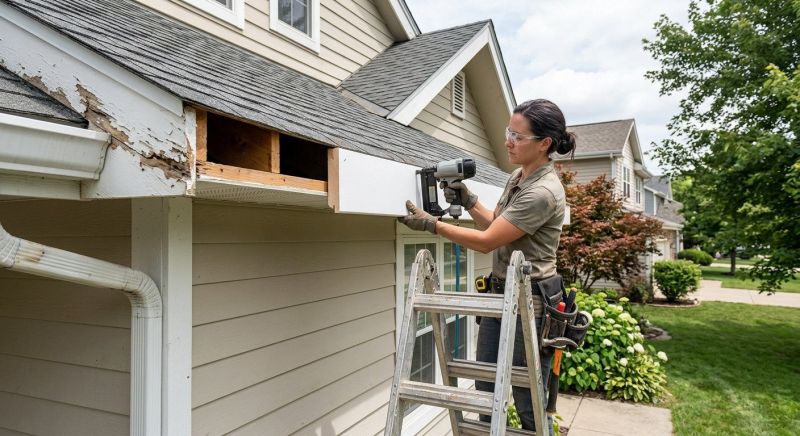
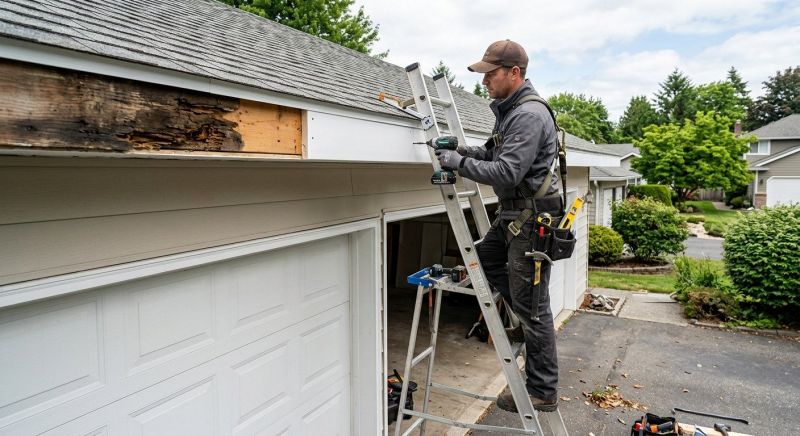
Rotted fascia repair services address issues with the horizontal boards that run along the roofline of a property, which are essential for supporting the gutters and protecting the roof structure. This service typically involves removing damaged or decayed fascia boards and replacing them with new, durable materials to prevent further deterioration. Projects may range from localized repairs following storm damage or rot to complete fascia replacements on aging or extensively affected properties, helping to maintain the integrity and appearance of the home’s exterior.
Homeowners considering fascia repair often want to understand the signs of rot, such as sagging, cracking, or peeling paint, as well as the potential risks of delaying repairs, including water damage and pest intrusion. Clarifying the scope of work, the materials used, and the overall process can help property owners make informed decisions about repairs. Proper fascia maintenance can contribute to the long-term durability of a home’s exterior and help preserve its value.
Many property owners in Wilmington, NC look into Rotted Fascia Repair for repairs, replacements, upgrades, and appearance-related improvements.
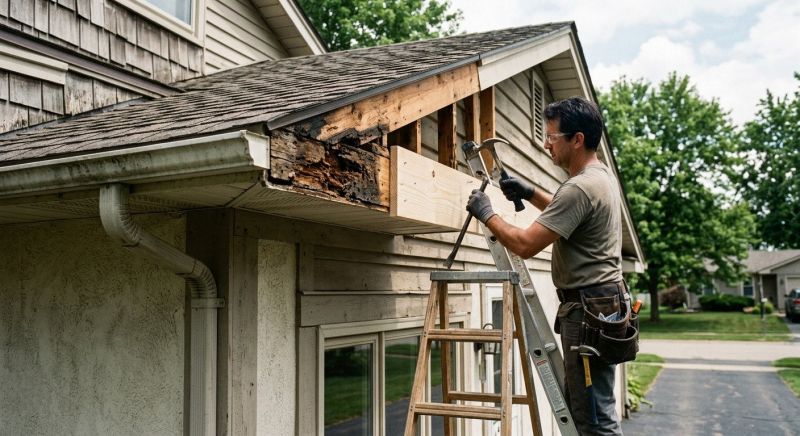
Signs Of Fascia Damage
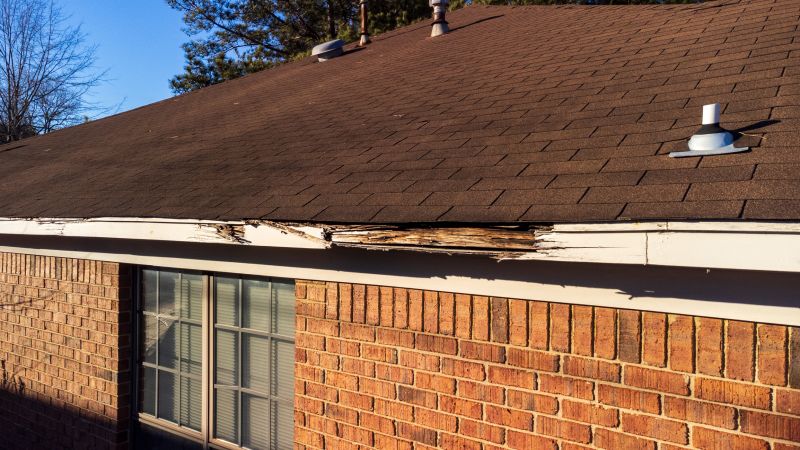
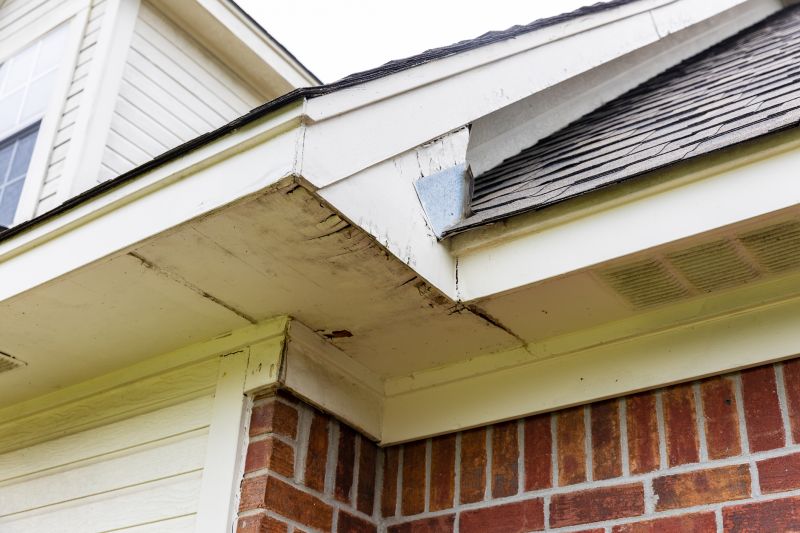
Visible rot, sagging, or water stains may indicate fascia deterioration that needs attention.
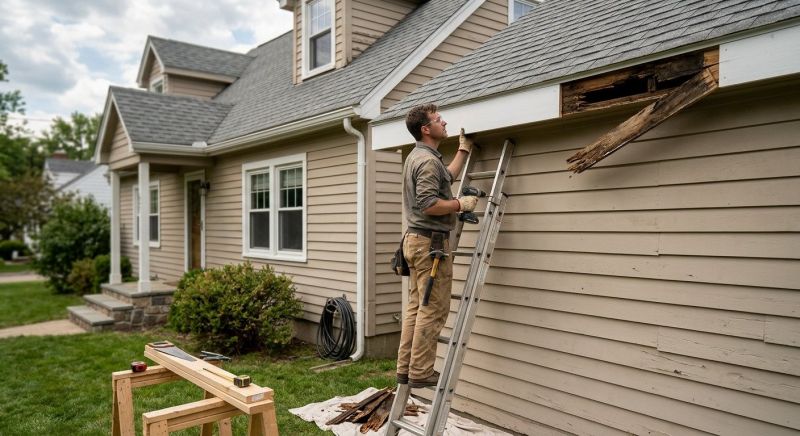
Importance Of Fascia Repair
Restoring rotted fascia helps protect your home from water damage and structural issues.
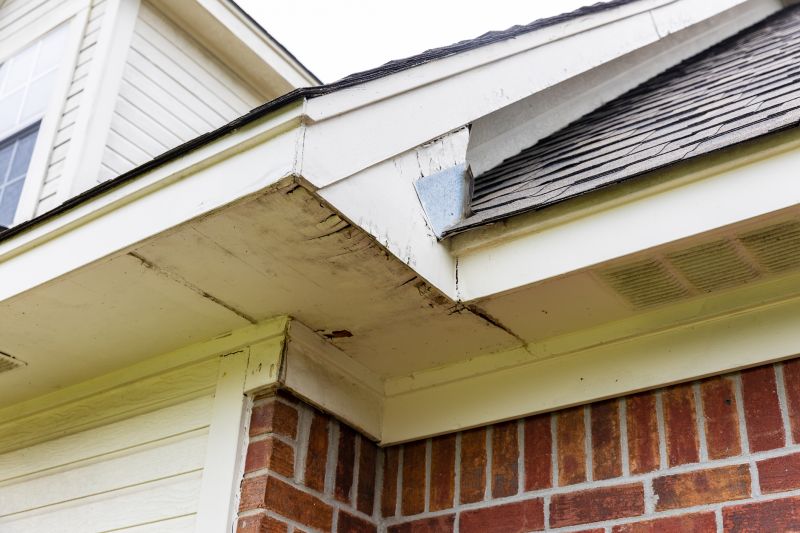
Common Causes Of Rotted Fascia
Poor drainage, age, and exposure to moisture are typical factors leading to fascia decay in wilmington homes.
Rotted Fascia Repair in Wilmington, NC
Rotted fascia repair services address issues with the horizontal boards that run along the roofline of a property, which are essential for supporting the gutters and protecting the roof structure. This service typically involves removing damaged or decayed fascia boards and replacing them with new, durable materials to prevent further deterioration. Projects may range from localized repairs following storm damage or rot to complete fascia replacements on aging or extensively affected properties, helping to maintain the integrity and appearance of the home’s exterior.
Homeowners considering fascia repair often want to understand the signs of rot, such as sagging, cracking, or peeling paint, as well as the potential risks of delaying repairs, including water damage and pest intrusion. Clarifying the scope of work, the materials used, and the overall process can help property owners make informed decisions about repairs. Proper fascia maintenance can contribute to the long-term durability of a home’s exterior and help preserve its value.
Many property owners in Wilmington, NC look into Rotted Fascia Repair for repairs, replacements, upgrades, and appearance-related improvements.
Common Rotted Fascia Repair Jobs
Rotted Fascia Repair - Replaces damaged fascia boards to protect the roof and structure.
Fascia Board Replacement - Installs new fascia to improve curb appeal and prevent water damage.
Fascia Restoration - Restores worn or decayed fascia to extend its lifespan and maintain appearance.
Water Damage Repair - Addresses issues caused by water infiltration due to rotted fascia.
Fascia Inspection - Assesses the condition of fascia boards to identify early signs of rot or deterioration.
Fascia Maintenance - Provides ongoing upkeep to prevent future damage and preserve roof integrity.
Rotted Fascia Repair Questions
What causes fascia to rot? Fascia can rot due to prolonged exposure to moisture, leaks, or wood decay over time.
How can I tell if my fascia is rotted? Signs include sagging, peeling paint, mold, or visible wood damage along the roofline.
Is rotted fascia a structural concern? Yes, it can weaken the roof's edge and lead to further damage if not addressed promptly.
What are common repair options for rotted fascia? Repairs typically involve removing damaged sections and replacing them with new, treated wood or materials.
Request Rotted Fascia Repair in Wilmington, NC
Use the quote form on this page to share the basics of your project and request more information for the type of work you need.